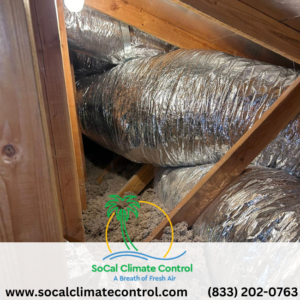
Quick Answer
Wildfire smoke can enter your HVAC system through outdoor air intake, gaps in ductwork, doors, windows, and contaminated air filters. Once smoke particles enter the system, they may continue circulating throughout your home long after outdoor conditions improve. Professional HVAC inspections, high-quality filtration, duct evaluations, and indoor air quality improvements can help reduce smoke contamination and improve indoor comfort.
Wildfire season has become an unfortunate reality for many Southern California homeowners. In recent years, residents throughout Simi Valley have experienced days — and sometimes weeks — of smoky air caused by nearby brush fires and regional wildfire activity.
Even after the visible smoke disappears outdoors, many homeowners continue noticing smoke odors inside their homes. Some experience headaches, irritated eyes, allergies, coughing, or a persistent smoky smell whenever the HVAC system turns on.
What many people do not realize is that wildfire smoke can affect more than the outdoor air. It can also impact the inside of your HVAC system.
Your heating and cooling system constantly circulates air throughout your home. If smoke particles enter the system, they may continue moving through your ductwork and vents long after wildfire conditions improve outside.
Understanding how wildfire smoke affects HVAC systems can help homeowners make better decisions about indoor air quality, filtration, and HVAC maintenance after nearby fires.
How Wildfire Smoke Enters Your HVAC System
Wildfire smoke contains a mixture of gases and extremely small airborne particles created when vegetation, wood, and other materials burn. Many of these particles are microscopic. Some are small enough to travel deep into the lungs.
One of the primary health concerns associated with wildfire smoke is fine particulate matter, commonly known as PM2.5. These particles are less than 2.5 micrometers in diameter and can remain suspended in the air for long periods.
Your HVAC system naturally moves air throughout the home. During wildfire events, smoke particles may enter the system in several ways:
- Outdoor air intake systems
- Open windows and doors
- Leaky ductwork
- Poorly sealed attic spaces
- Dirty or overloaded filters
- Ventilation systems
- Gaps around vents and returns
Once smoke particles enter the HVAC system, they may settle inside ductwork, cling to filters, or circulate repeatedly through the home. This is one reason homeowners sometimes notice smoke odors even after outdoor air quality improves.
Why Smoke Odors Can Linger Indoors
One of the most common complaints homeowners report after wildfire events is a lingering smoke smell inside the home. Sometimes the odor is strongest when the air conditioner or furnace starts running.
That usually indicates smoke residue may still be present somewhere inside the HVAC system.
Smoke particles can cling to:
- HVAC filters
- Evaporator coils
- Blower components
- Duct surfaces
- Insulation materials
- Carpets and upholstery
- Curtains and fabrics
When the HVAC system turns on, airflow may reactivate those odors and redistribute smoke particles into living spaces. In homes with older duct systems or insufficient filtration, the smell may persist for weeks.
Humidity can also worsen smoke odors. During warmer weather, moisture in the air may reactivate smoke residue trapped inside materials and ductwork.
Can Wildfire Smoke Affect Indoor Air Quality?
Yes. Indoor air quality can decline significantly during wildfire season.
Many homeowners assume being indoors automatically protects them from wildfire smoke exposure. Unfortunately, that is not always the case.
Smoke particles can infiltrate homes through windows, doors, roof vents, attic gaps, HVAC systems, crawl spaces, and exhaust fans. Once inside, the particles may accumulate over time.
Poor indoor air quality may contribute to symptoms such as:
- Eye irritation
- Headaches
- Sore throat
- Coughing
- Allergy flare-ups
- Asthma irritation
- Fatigue
- Breathing discomfort
Children, seniors, and individuals with respiratory conditions are often more sensitive to wildfire smoke exposure. Reducing indoor smoke exposure whenever possible is an important step during and after wildfire events.
Signs Wildfire Smoke May Be Inside Your HVAC System
Not every home experiences the same level of smoke contamination. However, there are several warning signs homeowners should watch for after nearby wildfires.
Smoke Smell When HVAC Runs
If smoke odors become stronger when your AC or furnace starts running, smoke residue may be circulating through the system.
Dirty Filters Shortly After Replacement
Wildfire smoke can overload filters much faster than normal dust accumulation. A filter that becomes dark or clogged quickly after installation may indicate heavy airborne contamination.
Increased Allergy Symptoms Indoors
Some homeowners notice worsening allergies or respiratory irritation indoors even after outdoor smoke conditions improve. That can indicate smoke particles are still circulating inside the home.
Ash Around Vents
Visible dust or ash buildup around registers and vents may suggest smoke contamination inside ductwork.
Reduced Airflow
Heavy smoke exposure can contribute to clogged filters and restricted airflow. When airflow decreases, HVAC systems may work harder to maintain indoor temperatures.
Should You Run Your HVAC System During Wildfire Smoke?
This is one of the most common questions homeowners ask during wildfire season. The answer depends on the condition of your HVAC system and filtration setup.
In many cases, running the HVAC system with proper filtration may help reduce indoor smoke particles. However, there are important considerations.
Replace Dirty Filters First
If filters are already dirty, overloaded, or improperly installed, running the system may circulate contaminants rather than remove them.
Use Higher Quality Filters When Appropriate
Many HVAC professionals recommend high-efficiency filters during wildfire season. MERV-rated filters are commonly used to improve filtration.
Generally, MERV 8 filters capture larger particles, while MERV 11 to MERV 13 filters capture finer particles more effectively. However, not every HVAC system can safely handle higher-MERV filters.
Filters with excessive airflow resistance may strain certain systems. A professional HVAC inspection can help determine which filter type is appropriate for your equipment.
Avoid Bringing In Outdoor Air
Some ventilation systems pull fresh outdoor air into the home. During heavy smoke events, limiting outdoor air intake may help reduce smoke infiltration.
Use Recirculation Mode
Many homeowners switch thermostats to recirculation mode during wildfire conditions. This allows the system to continuously filter indoor air instead of bringing in smoky outside air.
The Importance of HVAC Filter Replacement After Wildfires
HVAC filters play a major role in protecting indoor air quality. During wildfire season, filters often work much harder than usual.
Smoke particles can quickly clog filter material, reducing effectiveness and restricting airflow. After nearby wildfires, homeowners should inspect filters more frequently.
Signs a filter may need replacement include:
- Gray or black discoloration
- Reduced airflow
- Excessive dust indoors
- Smoke odors persisting indoors
- Visible debris accumulation
Some homeowners replace filters multiple times during extended smoke events. Using the wrong filter size or improperly installed filters can also reduce effectiveness. Proper installation matters just as much as filter quality.
Can Air Purifiers Help During Wildfire Season?
Portable air purifiers can help improve indoor air quality when used correctly. Many air purification systems are designed to capture airborne particles, including smoke contaminants.
HEPA filtration systems are commonly recommended because they can capture extremely small particles. Some whole-home HVAC purification systems may also help improve indoor air conditions.
However, not all air purifiers perform equally. Homeowners should consider room size compatibility, CADR ratings, HEPA certification, filter replacement frequency, noise levels, and maintenance requirements.
Air purifiers work best when combined with proper HVAC filtration, closed windows and doors, sealed air leaks, and regular HVAC maintenance.
Does Duct Cleaning Remove Wildfire Smoke?
This depends on the condition of the duct system. In some cases, smoke residue and debris may accumulate inside ductwork after prolonged wildfire exposure.
However, duct cleaning is not automatically necessary for every home. Professional inspections can help determine whether visible contamination exists, smoke residue is present, odors originate from the duct system, airflow restrictions exist, or debris accumulation is affecting performance.
A proper inspection is important before deciding whether duct cleaning is beneficial.
Protecting Your Home During Future Wildfire Events
Wildfire smoke may become a recurring concern for many Southern California communities. Fortunately, homeowners can take proactive steps to reduce indoor smoke exposure.
Upgrade Filtration
Higher-efficiency filters may improve smoke particle capture when compatible with the HVAC system.
Schedule HVAC Maintenance
Routine maintenance helps ensure airflow, filtration, and system performance remain optimized.
Seal Air Leaks
Small gaps around doors, windows, attic spaces, and ducts can allow smoke infiltration.
Monitor Indoor Air Quality
Indoor air quality monitors may help homeowners track particle levels during wildfire season.
Replace Filters Frequently During Smoke Events
Heavy smoke conditions may require more frequent filter replacement than normal.
Consider Air Purification Systems
Portable or whole-home air purification systems may help improve indoor air quality.
Why Professional HVAC Inspections Matter After Wildfires
Wildfire smoke exposure affects every home differently. Factors such as proximity to fires, home age, HVAC system condition, filter quality, ventilation setup, and duct sealing all influence how much smoke enters the system.
Professional HVAC inspections can help identify smoke contamination, filter overload, airflow problems, duct leakage, ventilation concerns, and indoor air quality issues.
An inspection can also help homeowners determine whether upgrades or additional filtration improvements may be beneficial.
Smoke exposure may also affect HVAC efficiency over time. Clogged filters and contaminated airflow pathways can force systems to work harder.
Restricted airflow may contribute to reduced efficiency, increased energy usage, uneven cooling, and added strain on components.
Keeping HVAC systems clean and properly maintained after wildfire events may help support better long-term performance.
Final Thoughts
Wildfire smoke affects more than the outdoor environment. It can also impact the air inside your home and the performance of your HVAC system.
For homeowners in Simi Valley, understanding how smoke enters HVAC systems is an important step toward protecting indoor comfort and air quality.
Smoke odors, dirty filters, reduced airflow, and indoor air quality concerns should not be ignored after nearby wildfire activity.
Professional HVAC inspections, proper filtration, air purification strategies, and indoor air quality improvements can help reduce smoke contamination and create a healthier indoor environment.
As wildfire seasons continue affecting Southern California communities, proactive HVAC maintenance and filtration awareness will likely become even more important for homeowners moving forward.
Frequently Asked Questions
Can wildfire smoke stay inside HVAC ducts?
Yes. Smoke particles and odors may settle inside duct systems and continue circulating through the home if contamination is present.
Should I replace my HVAC filter after wildfire smoke?
In many cases, yes. Wildfire smoke can overload filters much faster than normal household dust.
Do air purifiers help with wildfire smoke?
Many HEPA-based air purifiers can help reduce airborne smoke particles indoors when properly sized and maintained.
Why does my house smell like smoke when the AC turns on?
Smoke residue inside filters, ductwork, or HVAC components may continue circulating odors when airflow starts.
Can wildfire smoke affect indoor air quality even with windows closed?
Yes. Smoke particles can still enter through ventilation systems, small gaps, and air leaks throughout the home.
How often should HVAC filters be changed during wildfire season?
Filter replacement frequency depends on smoke conditions, filter type, and system usage. During heavy smoke exposure, filters may require more frequent inspections and replacement.