
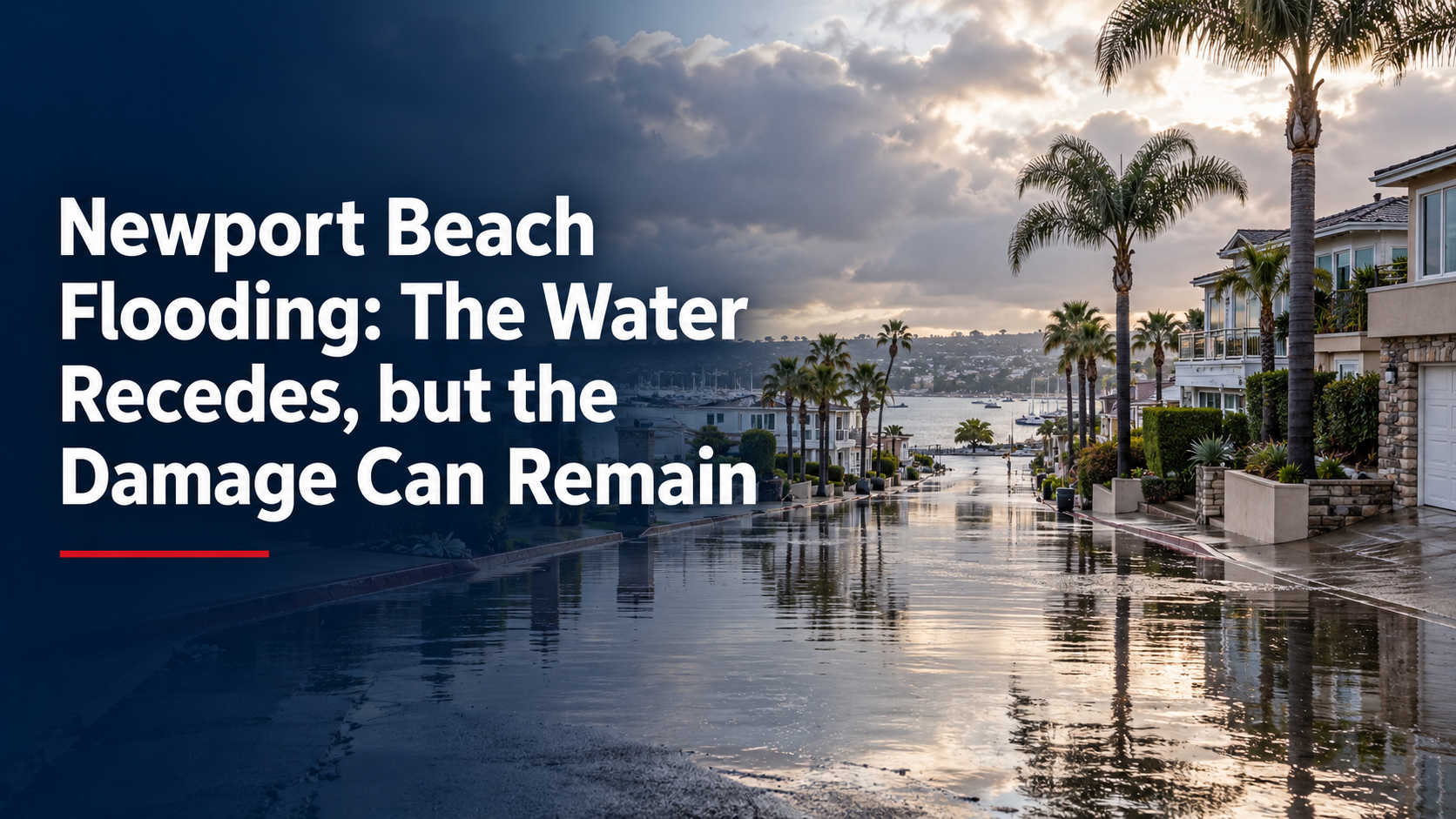



Recent flooding in Newport Beach showed how quickly water can move from outside a property into streets, garages, and homes. NBC Los Angeles reported stranded vehicles and water entering homes near Balboa Boulevard during the October 9, 2026 flooding.
Coastal water is one source of flooding. Rivers, heavy rainfall, hillside runoff, and sewer backups can also bring unwanted water into buildings. The source matters because it influences the hazards and cleanup approach. But once water reaches building materials, homeowners face a shared concern: visible water can disappear while moisture and damage remain out of sight. For Northridge homeowners, understanding how water entered—and where it traveled—is an important part of recovery.Quick Answer: Can Different Types of Flooding Leave Hidden Damage?
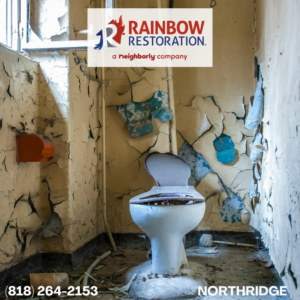
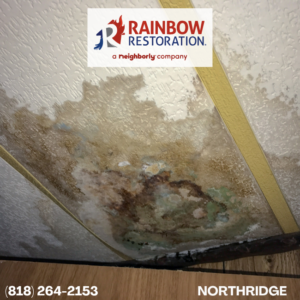
Yes. Coastal flooding, river overflow, stormwater runoff, and sewer backups can leave affected materials wet after standing water is removed. Moisture may remain beneath flooring, behind walls, inside cabinets, or in other concealed areas. Cleanup should account for both moisture and contamination. EPA warns that floodwater may carry microorganisms and chemicals, and recommends cleaning and drying flooded homes and belongings within 24–48 hours when safe and possible.Key Takeaways
- Receding water does not mean a property is fully dry.
- Outside floodwater may bring contaminants indoors.
- Concealed areas may need inspection even when surfaces look normal.
- Water extraction, cleaning, material assessment, and drying serve different purposes.
- Recovery should be evaluated through inspection and moisture measurements—not appearance alone.
Five Geographic Examples of How Flooding Can Affect Properties
Different landscapes and infrastructure create different routes for water intrusion. These examples illustrate flood mechanisms; they are not a list of current emergencies.| City | Source or condition | Homeowner takeaway |
|---|---|---|
| Newport Beach | Elevated ocean levels and high surf. | Coastal water can move inland and reach buildings. |
| Ventura | River-related flood hazards. | Rising waterways can threaten nearby flood-prone areas. |
| Los Angeles | Urban stormwater runoff and drainage problems. | Runoff can accumulate faster than drainage can carry it away. |
| Malibu | Hillside runoff and post-fire debris-flow hazards. | Water may arrive with mud, rocks, and debris. |
| Burbank | Blocked sewer laterals and potential backups. | Wastewater can enter through plumbing rather than a doorway. |
1. Coastal Flooding: Water Pushing Inland
Example: Newport Beach
High surf and elevated ocean levels can send water beyond the shoreline into streets and properties. During the recent flooding, city crews worked to rebuild protective berms and reduce street flooding. NBC reported water entering homes near Balboa Boulevard. For a property affected by coastal flooding, the assessment should consider the materials reached by the water and the contaminants it may have picked up along its route. The disappearance of water from the street does not establish that the inside of a home has dried.2. River Flooding: Water Extending Beyond Its Usual Channel
Example: Ventura
River flooding can affect properties near waterways and within flood-prone areas. Ventura’s emergency planning identifies flood hazards in areas associated with the Ventura River and Santa Clara River, among other locations. River floodwater may bring sediment and debris into affected buildings. Recovery requires assessing what the water contacted and which materials can be appropriately cleaned and dried. A receding river level does not verify the condition of flooring, walls, or belongings inside a flooded property.3. Stormwater Flooding: Rainfall Overwhelming Drainage
Example: Los Angeles
Flooding does not require a nearby ocean or river. Heavy rainfall can create localized problems when runoff accumulates faster than drainage systems can carry it away. Los Angeles has invested in stormwater projects intended to reduce flooding, including a capture project in Pacoima. For a homeowner, the relevant questions are practical: Where did water accumulate? How did it reach the building? Which rooms became wet? Has the entry route been addressed? Water that travels over streets, soil, and surrounding surfaces should not be treated as clean simply because it began as rain.4. Hillside Runoff and Debris Flows: Water Carrying More Than Sediment
Example: Malibu
In hillside areas, storms can bring rapidly moving runoff, mud, rocks, and debris. Malibu’s storm preparedness guidance warns about flooding and sudden hillside changes, especially near areas affected by recent fires. Debris flows involve hazards beyond ordinary standing water. Safe access and any necessary structural assessment come before interior cleanup. Once access is appropriate, a restoration assessment can address affected materials, remaining moisture, and contamination.5. Sewer Backups: Water Entering Through the Plumbing System
Example: Burbank
A sewer backup is a different route of water intrusion. Wastewater may enter through drains or plumbing fixtures rather than flowing across the ground into a doorway. Burbank’s sewer lateral guidance explains that roots can affect sewer laterals and recommends addressing root intrusion before a complete blockage occurs. A backup can originate in a property’s lateral or involve the wider sewer system. The cause needs assessment; it should not automatically be attributed to rainfall. Because sewage presents contamination concerns, the response must address the source and appropriate cleanup—not just removal of visible water.What These Different Sources Have in Common
Although the causes vary, recovery involves answering the same core questions:- Where did the water come from?
- What did it contact before and after entering?
- Where did it travel inside the property?
- Which materials remain wet or contaminated?
- What cleaning, removal, drying, and repair work is appropriate?
Where Can Flood Damage Remain Hidden?
After standing water is removed, a room can look substantially improved while some affected materials still need attention.| Location | What needs assessment |
|---|---|
| Beneath flooring | Whether water reached underlayment or the subfloor. |
| Behind walls and baseboards | Whether moisture extends into concealed cavities. |
| Inside cabinets | Whether bases, backing, or adjoining materials became wet. |
| Carpet and padding | Whether cleaning and drying are appropriate. |
| Adjoining rooms and closets | Whether water spread beyond the obvious flooded area. |
| Crawl spaces | Whether water accumulated beneath the building. |
Why Drying Alone May Not Resolve the Problem
Moisture and contamination are separate considerations. A material becoming dry does not, by itself, establish that it has been appropriately cleaned. Some materials may be salvageable. Others may require removal because they cannot be thoroughly cleaned and dried. EPA recommends removing wet materials and discarding those that cannot be appropriately cleaned and dried, ideally within 48 hours. Ask the restoration provider to explain the reasons behind those decisions.Why Prompt Assessment Matters
Wet building materials and belongings can support mold growth. EPA advises homeowners to assume mold growth may be present when flooded homes and contents could not be dried within 24–48 hours. This emphasizes prompt action; it is not an exact deadline at which every material develops mold. If several days have passed, arrange an assessment. Do not wait for visible growth or a musty odor before addressing a known water intrusion.What Should Northridge Homeowners Do After Water Enters?
Put Safe Access First
Follow emergency instructions and arrange appropriate help for suspected electrical or structural hazards. Do not begin cleanup while access remains unsafe.Document the Damage
When safe, photograph affected rooms, belongings, water marks, and damaged finishes. Record when water was first noticed, its suspected source, and where it appeared to travel.Explain the Source Clearly
Tell the provider whether the incident involved outside runoff, rising water, a sewer backup, or another source. Include what is known and identify what remains uncertain.Ask About Concealed Areas
Request an explanation of which areas have been inspected and how hidden moisture will be assessed.Understand the Scope and Keep Records
Clarify whether the estimate includes water extraction, cleaning, material removal, drying, contents handling, and repairs. Save photographs, estimates, invoices, inspection findings, and available drying documentation.Does Removing Standing Water Mean Restoration Is Complete?
No. Water extraction is one part of recovery. Homeowners should ask how remaining moisture will be measured and how drying progress will be evaluated. Household air conditioning should not be assumed sufficient. EPA notes that most HVAC systems cannot dry a flooded home by themselves when humidity is very high.Questions to Ask a Restoration Provider
- How does the water source affect the cleanup approach?
- Which areas and materials have been inspected?
- How will concealed moisture be assessed?
- Which materials can be retained, and why?
- How will drying progress be measured?
- What work is included in the estimate?
- What repairs or additional assessments may be needed?
- What findings could change the scope?
Frequently Asked Questions
Can outside rainwater be contaminated?
Yes. Once rainwater travels across streets, soil, or other surfaces, it may carry contaminants. The assessment should consider its route rather than assume it is clean.
Is a sewer backup the same as stormwater flooding?
Can damage remain after the floor looks dry?
Does every flooded material need replacement?
How quickly should flood cleanup begin?
How can I know whether drying is complete?
Water Damage Restoration in Northridge, CA
Different sources of flooding require different responses. The common starting point is understanding how water entered, what it affected, and what remains after visible water is gone. Rainbow Restoration of Northridge provides residential and commercial water damage restoration services. Contact the team to discuss your property’s conditions and available next steps. Rainbow Restoration of Northridge Phone: (818) 264-2153 Website: www.rainbowrestores.com/northridge-ca Learn about residential water damage restoration Contact the Northridge TeamSources and Further Reading
- NBC Los Angeles: Newport Beach flooding — October 9, 2026.
- City of Ventura: Emergency Evacuation Plan — river-related flood hazards.
- City of Los Angeles: Pacoima stormwater capture project.
- City of Malibu: Storm preparedness.
- City of Burbank: Sewer lateral guidance.
- EPA: Flooded Homes Cleanup Guidance.
- EPA: Flooded Home.
- EPA: Flood Cleanup Infographic.
- EPA: Flood Cleanup and Indoor Air Quality.
- EPA: Debris and Damaged Buildings.
- EPA: Flood Cleanup to Protect Indoor Air and Your Health.