


Introduction
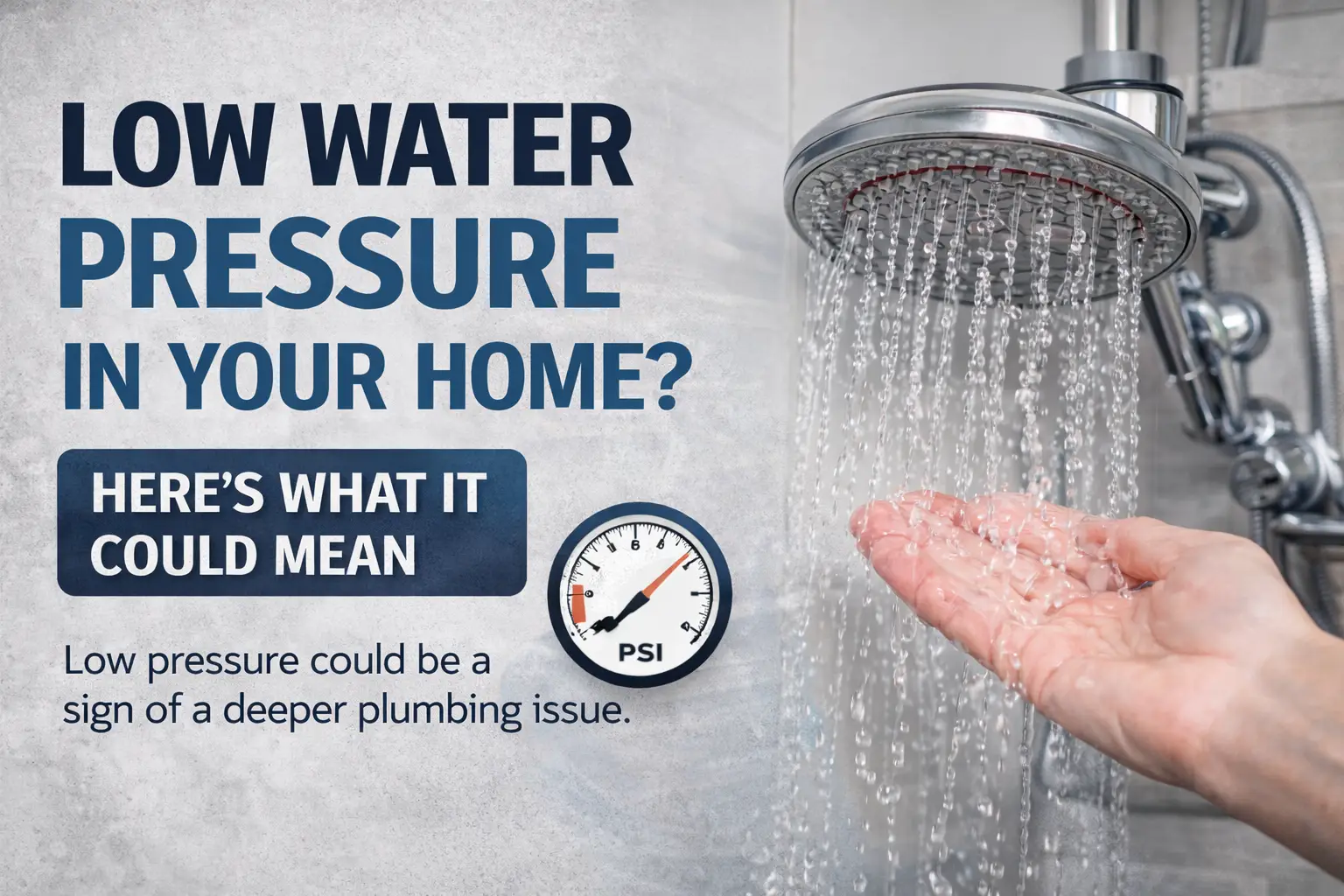
Low water pressure can turn simple daily tasks into frustrating experiences. Whether it’s a weak shower, slow-filling sink, or appliances taking longer than usual, reduced water flow is more than just an inconvenience—it’s often a sign of an underlying plumbing issue.
While some pressure drops are minor and temporary, others point to deeper problems within your plumbing system that require attention.
If you’re experiencing persistent low pressure, it may be one of the early signs you need a plumber.
/signs-you-need-a-plumber
What Is Considered Low Water Pressure?
Water pressure refers to the force that pushes water through your pipes and out of your fixtures.
Typical residential water pressure ranges between:
- 40 to 60 PSI (pounds per square inch)
When pressure drops below this range, you may notice:
- Weak flow from faucets and showerheads
- Longer wait times for filling sinks or tubs
- Appliances like dishwashers and washing machines underperforming
Understanding what’s normal helps you recognize when something isn’t right.
Common Causes of Low Water Pressure
Low water pressure can come from a variety of sources—some simple, others more complex.
1. Clogged Fixtures
Over time, mineral deposits and debris can build up in faucet aerators and showerheads.
This leads to:
- Restricted water flow
- Uneven spray patterns
- Gradual pressure reduction
This is one of the easiest issues to fix and often the first place to check.
2. Hidden Leaks
Leaks are one of the most common causes of pressure loss.
When water escapes before reaching your fixtures, you’ll notice:
- Reduced pressure
- Increased water bills
- Possible water damage
Leaks can occur behind walls, under floors, or underground—making them difficult to detect without professional help.
3. Pipe Corrosion
Older homes with galvanized steel pipes are especially prone to corrosion.
As pipes deteriorate:
- The interior diameter shrinks
- Water flow becomes restricted
- Pressure decreases over time
This is a gradual issue that often worsens if left unaddressed.
4. Problems With the Main Water Supply
Sometimes the issue isn’t inside your home at all.
Possible external causes:
- Municipal water supply issues
- Water main leaks
- Maintenance or repairs in your area
If neighbors are experiencing similar problems, the source may be outside your property.
5. Pressure Regulator Failure
Many homes have a pressure regulator that controls water pressure entering the system.
When it fails, you may experience:
- Sudden drops in pressure
- Inconsistent water flow
- Pressure that fluctuates throughout the day
This is a mechanical issue that usually requires replacement.
Warning Signs of a Bigger Plumbing Problem
Not all low pressure issues are minor. Here are signs that something more serious may be happening:
Pressure Drops Suddenly
A sudden change often indicates:
- A burst or developing leak
- A failing component
- A system disruption
This should be addressed quickly.
Multiple Fixtures Are Affected
If only one faucet has low pressure, the issue is likely localized.
But if multiple fixtures are affected, it could mean:
- A system-wide issue
- A main line problem
- A significant leak
Pressure Gets Worse Over Time
Gradual decline in pressure is often linked to:
- Pipe buildup
- Corrosion
- Progressive blockages
This is not something that will fix itself.
You Notice Other Plumbing Issues
Low water pressure combined with other symptoms—like slow drains or strange noises—can indicate a larger problem.
For example:
- Slow drains may point to blockages
- Noisy pipes can signal pressure imbalances
Explore related issues here:
/slow-drain-warning-signs-plumbing-issue
/noisy-pipes-banging-gurgling-causes
DIY Fixes You Can Try First
Before calling a plumber, there are a few simple steps you can take to troubleshoot the issue.
Check and Clean Fixtures
- Remove and clean faucet aerators
- Soak showerheads in vinegar to remove buildup
Check Shut-Off Valves
- Ensure all valves are fully open
- Partially closed valves can restrict flow
Test Pressure in Different Areas
- Compare pressure in multiple fixtures
- This helps determine if the issue is isolated or system-wide
Check for Visible Leaks
- Inspect under sinks and around fixtures
- Look for moisture, drips, or pooling water
If these steps don’t resolve the issue, it’s time to consider professional help.
When to Call a Professional Plumber
Low water pressure should not be ignored—especially when it persists.
You should call a plumber if:
- Pressure remains low after basic troubleshooting
- You suspect a hidden leak
- Multiple fixtures are affected
- The issue appeared suddenly
A professional can:
- Diagnose the root cause
- Repair leaks or replace damaged components
- Restore proper pressure safely
If you’re unsure, refer to this guide:
/diy-vs-professional-plumber-when-to-call
How Plumbers Fix Low Water Pressure
Depending on the cause, plumbers may use several methods to restore proper flow:
- Repairing or replacing leaking pipes
- Cleaning or replacing clogged lines
- Adjusting or replacing pressure regulators
- Upgrading outdated plumbing systems
The right solution depends on an accurate diagnosis.
How to Prevent Low Water Pressure
While some causes are unavoidable, many issues can be prevented with proper maintenance.
Best practices include:
- Regularly cleaning fixtures
- Monitoring for leaks
- Scheduling routine plumbing inspections
- Replacing aging pipes before they fail
Preventative care helps maintain consistent water pressure and system performance.
Conclusion: Don’t Ignore Low Water Pressure
Low water pressure is more than just a daily inconvenience—it’s often a sign that something within your plumbing system needs attention.
Whether it’s a minor buildup or a more serious issue like a leak or pipe damage, identifying the cause early can prevent costly repairs and restore your home’s functionality.
If your water pressure isn’t what it should be, it may be time to take action.
Tired of dealing with weak water pressure?
A professional plumber can quickly identify the issue and restore proper flow throughout your home—so everything works the way it should.